Muse, Meta's AI agent that runs errands for you, arrives in Mexico: what about Colombia?
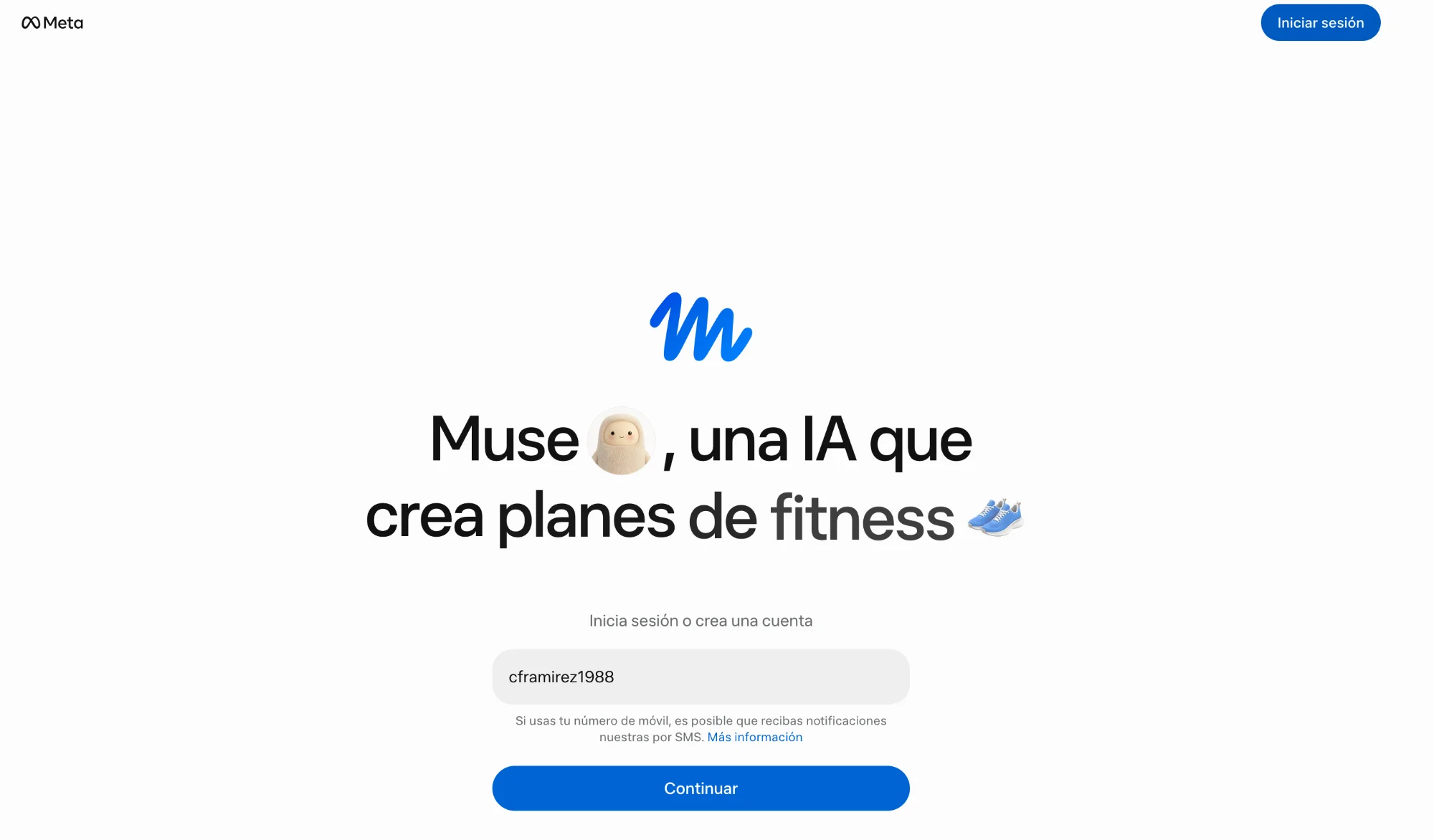
Muse, Meta's assistant that buys tickets, searches for cars and plans trips on the user's behalf, is now available in Mexico, the first Latin American country to get it, according to the Mexican press. There is still no date for Colombia and the rest of the region.
COVA News
Imagine asking an app to get you movie tickets for Friday, compare used cars and put together a trip itinerary, and having it keep working on all of that even after you close your phone. That is what Muse, Meta's personal artificial intelligence agent, promises. According to Mexican media, Muse is now available in Mexico, the first country in Latin America to get it. For Colombia and the rest of the region, there is no date for now.
The news began circulating on November 5 and 6, 2026. Infobae, Expansión, El Universal, Canal 44, Proyecto Puente, Ellipsis MX and Mexico News Daily reported it, citing a LinkedIn post by Marco Casarin, director of Meta Mexico. As of press time, we were unable to review an official company statement for the country.
From answering questions to running errands
Muse is not just another chatbot. The conversational assistants we have grown used to answer questions. An agent, by contrast, acts on the user's behalf. According to the description reported by the Mexican press, Muse turns a goal into a plan and follows up on to-dos and projects. It also looks for deals, sends emails and fills out forms.
To do this, it connects to Gmail, Google Calendar, messages and Instagram. In Mexico, it also launches with seven linked local services: Cinépolis, Coppel, Despegar, Kavak, Kueski, Liverpool and Rappi. Those outlets warn that the rollout is gradual, so not all users will see the same features at the same time.
This shift, from an AI that talks to one that does things, is one of the tech industry's biggest bets. Muse works as a large-scale experiment in how we live with these kinds of tools. In the United States, where it debuted on September 8, it racked up 10.2 million downloads in its first 40 days, according to Sensor Tower data published by TechCrunch and cited by Proyecto Puente. In late October, it arrived in Singapore.
Anyone who wants to try it in Mexico must be over 18. It can be used in Spanish through the iOS and Android apps or on the muse.ai website, according to Mexico News Daily and Canal 44. Canal 44 reports that basic access is free and that there are subscriptions with extra features, though it did not provide details. For reference, CNBC reported that in the United States there is a free plan and two paid plans, at $20 and $100 per month. It has not been confirmed that those plans or prices will carry over to the region. The official sign-up steps are also unknown, for example whether a Facebook or Instagram account is required.
When it comes to WhatsApp, the accounts differ. Canal 44 and Proyecto Puente say Muse already works there. Mexico News Daily, however, says that integration will arrive soon, along with Meta's AI glasses.
The question of trust
Giving an AI access to your email, your calendar and your payments is no small thing. Muse runs on an isolated virtual machine, a kind of separate computer inside the company's servers. Meta promises to strengthen that protection with a future version called Muse Confidential VM.
Casarin and the company description reported by Proyecto Puente explain that the user authorizes each action before it happens, such as sending a message or completing a purchase, and can see what the agent is doing. Engadget reports that there is a permissions tab in Settings for deciding how often it asks for authorization. There is also a control to prevent conversations from being used to train the AI models, but that use is turned on by default. It has not been verified whether all of this works the same way in Mexico.
Doubts remain. AP and Fast Company México, cited by Mexico News Daily, warn that using the agent means handing over more personal data and that Meta's track record with its users' information makes its privacy promises hard to believe. ABC News and NBC News raised similar criticisms. TechCrunch described it as a test of whether people trust Meta with their data.
In Colombia and the rest of Latin America, for now, it is a matter of waiting and watching. According to Canal 44 and Ellipsis MX, Meta did not specify a timeline for other countries, and we found no announcements from Meta Colombia. When the service expands, it remains to be seen which local companies connect to it, at what price and under what privacy rules. In the meantime, the experience in Mexico will show whether users in the region are willing to hand their errands over to an AI.